
Newsletter Subscribe
Enter your email address below and subscribe to our newsletter

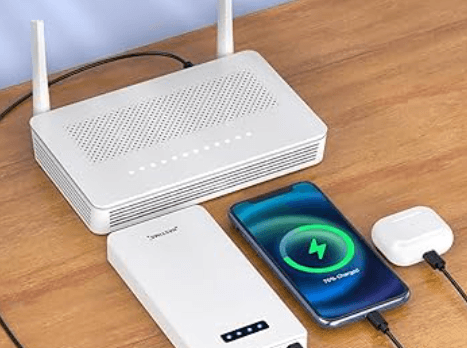
A power bank is a portable battery device that stores electrical energy and allows users to recharge smartphones, tablets, wireless earbuds, smartwatches, laptops, and other compatible electronic devices while away from a power outlet. It has become an essential accessory for travelers, students, professionals, and anyone who relies on mobile devices throughout the day.
Power banks are available in different capacities, sizes, and charging speeds, making it easy to find one that suits your needs. This guide explains what a power bank is, how it works, its features, benefits, applications, challenges, and tips for choosing the right power bank.
A power bank is a portable rechargeable battery designed to store electrical energy and transfer it to compatible electronic devices through charging ports. It serves as a backup power source when access to a wall charger or electrical outlet is unavailable.
Modern power banks are compact, lightweight, and capable of charging multiple devices, making them ideal for daily use and travel.
The power bank is first charged using a compatible charger and cable connected to a power source.
The internal rechargeable battery stores electrical energy until it is needed.
When a device requires charging, it is connected to the power bank using a compatible charging cable.
The power bank transfers stored energy to the connected device, allowing its battery to recharge.
Power banks are compact and lightweight, making them easy to carry in bags, backpacks, or pockets.
Many models include two or more output ports, allowing users to charge multiple devices simultaneously.
Power banks are available in different battery capacities to support various charging needs.
Some models support fast charging technologies that reduce charging time for compatible devices.
Indicator lights or digital displays show the remaining battery level of the power bank.
Many power banks include built-in protection against overcharging, overheating, overcurrent, and short circuits.
Designed for charging smartphones, wireless earbuds, smartwatches, and other small electronic devices.
These models support higher charging speeds for compatible devices.
Larger battery capacities allow multiple device charges before the power bank itself needs recharging.
These power banks support wireless charging for compatible smartphones and accessories without requiring a charging cable.
Some models include solar panels that provide limited battery recharging using sunlight, making them useful for outdoor activities and emergencies.
Power banks provide backup power when electrical outlets are unavailable.
Travelers can keep their devices charged during flights, road trips, camping, and vacations.
A fully charged power bank can be valuable during power outages or emergency situations.
Many power banks can charge smartphones, tablets, earbuds, smartwatches, portable speakers, and other USB-powered devices.
Users can continue working, studying, or communicating without worrying about low battery levels.
Recharge mobile devices while traveling between home, work, or school.
Professionals can keep phones, tablets, and other devices powered during meetings and business trips.
Campers, hikers, and outdoor enthusiasts use power banks to charge essential devices away from electrical outlets.
Students use power banks to keep laptops, tablets, and smartphones charged during classes and study sessions.
Power banks provide temporary backup power during natural disasters or unexpected power failures.
Users can enjoy music, videos, games, and streaming for longer periods without worrying about battery life.
High-capacity power banks may require several hours to recharge fully.
Larger battery capacities usually result in heavier and bulkier devices.
Rechargeable batteries gradually lose capacity after repeated charging cycles.
Users should ensure the power bank supports the charging requirements of their devices.
Choose a battery capacity that matches how often you need to recharge your devices.
If your devices support fast charging, consider a compatible fast-charging power bank.
Choose a model with enough charging ports for your devices and accessories.
If you travel frequently, select a compact and lightweight design that is easy to carry.
Look for models with protection against overheating, overcharging, overcurrent, and short circuits.
Recharge devices almost anywhere without needing an electrical outlet.
Power banks support many smartphones, tablets, wireless earbuds, smartwatches, Bluetooth speakers, and other compatible electronics.
Simply connect your device with a compatible charging cable and begin charging.
Power banks provide peace of mind by keeping essential devices powered throughout the day.
A power bank is a portable rechargeable battery that stores electrical energy and charges compatible electronic devices when a power outlet is unavailable.
Most power banks can charge smartphones, tablets, wireless earbuds, smartwatches, Bluetooth speakers, cameras, and many other USB-powered devices.
Yes. Many power banks include multiple output ports that allow several compatible devices to be charged simultaneously.
Consider battery capacity, charging speed, portability, available ports, safety features, and compatibility with your devices.
The lifespan depends on battery quality, usage habits, charging cycles, and proper maintenance. With regular care, many power banks can remain useful for several years.
Power banks have become essential accessories for keeping electronic devices charged while traveling, working, studying, or spending time outdoors. With portable designs, multiple charging options, fast charging support, and improved safety features, they provide a reliable backup power source for everyday life. By comparing battery capacity, portability, charging speed, compatibility, and built-in protections, you can choose a power bank that meets your needs and keeps your devices powered whenever you need them.

